A treehouse is exposed to weather, seasonal movement, and the natural growth of the trees that support it. Regular inspections and simple maintenance help ensure it remains safe, functional, and enjoyable for years to come.
Much of treehouse care comes down to observation. Getting familiar with how things normally look and feel makes it easier to notice when something changes.
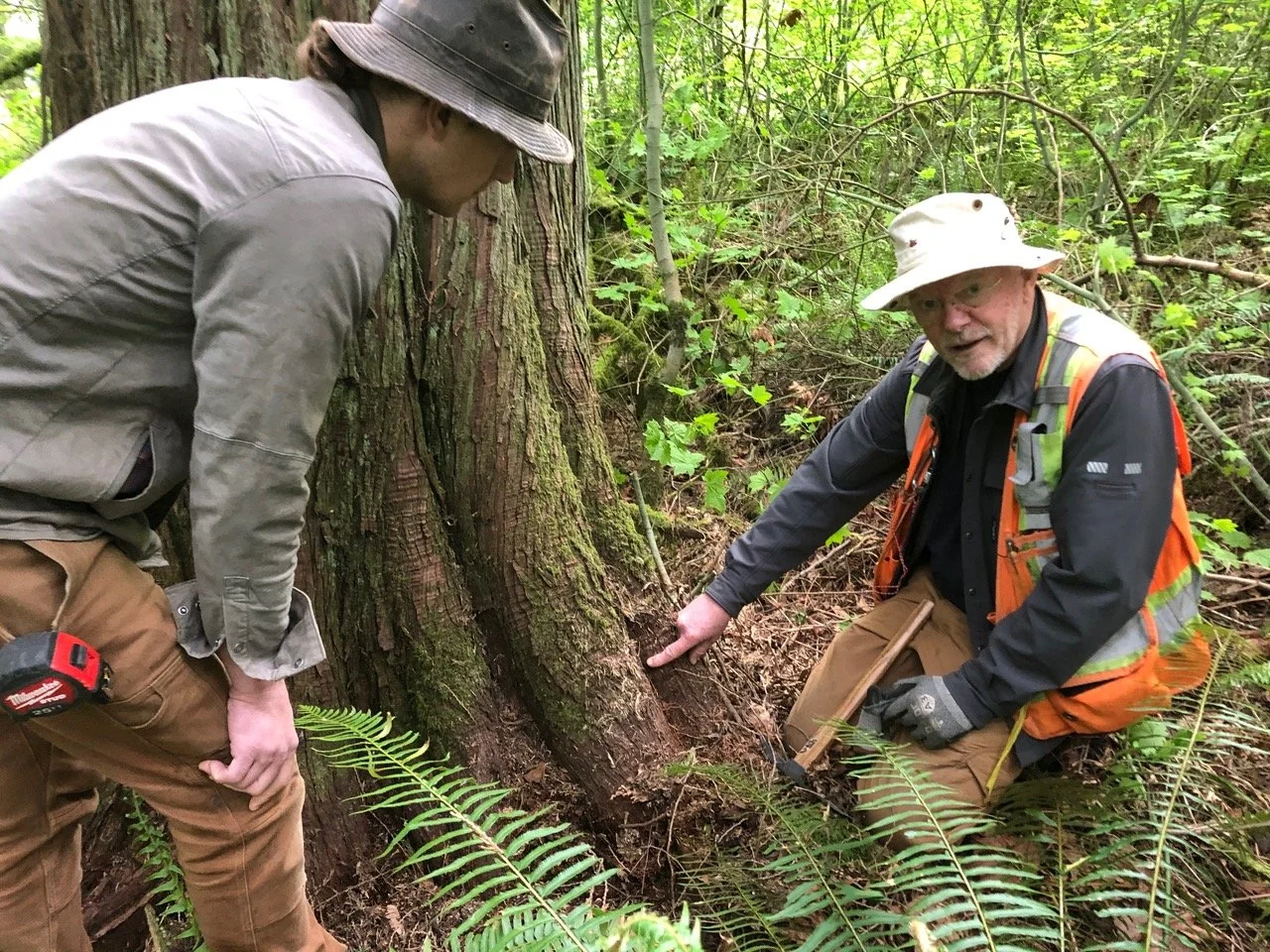
Scott Baker of Tree solutions
Start With the Trees
In spring and fall, visually inspect the primary trees supporting your treehouse from top to bottom. Look for signs of overall health as well as any noticeable changes since your last inspection. Also take a look at nearby trees, especially those that could affect the structure if branches were to fall.
If anything looks concerning or uncertain, a qualified local arborist can help evaluate tree health and recommend appropriate care.
Inspect From the Ground Before You Climb
After storms, high winds, or heavy snowfall, take time to look up before ascending. Broken or dead branches can become lodged in the canopy above the treehouse or surrounding area.
Using binoculars can help you see higher branches more clearly. If you notice large dead limbs or branches caught overhead, they should be removed to prevent damage or injury. When in doubt, contact an arborist.
Railings, Decking, and Movement
Wood expands and contracts with seasonal moisture changes, which can cause fasteners to loosen over time.
Check railings periodically. If posts or balusters move, tighten the fasteners.
Walk the deck and look for loose boards, raised screws, or other tripping hazards. Tighten or secure as needed.
Clean deck surfaces in spring or summer to remove mildew and reduce slipperiness. If desired, apply deck oil during warmer months.
If a tree passes through the decking, make sure the deck boards are not contacting the bark. Leave a couple inches of clearance to allow for growth and movement.
Structural Connections
As you ascend, take note of how the platform is attached to the tree. Become familiar with the tree attachment bolts, uplift arrestors, beams, and staircase framing.
After major weather events—and at least once a year—visually inspect these connections. If anything appears to have shifted or changed from what you’re used to seeing, it’s worth following up.
Winter Awareness
Winter can create unique challenges for a treehouse. Snow and ice accumulation add weight to decks and roofs, and heavy winds can loosen branches. After a winter storm:
Check for snow or ice buildup that could stress your deck or roof.
Look for broken or leaning branches nearby.
Inspect connections and railings for any movement caused by freezing and thawing cycles.
Even a brief visual check from the ground can prevent surprises and keep your treehouse safe.
Finishes and Roof Care
Check oil finishes periodically. If they appear worn or are no longer protecting the wood, plan to reapply. Semi-transparent oils typically need refreshing every two to four years.
Sweep debris from your metal roof annually to prevent buildup. Occasional pressure washing can help keep it clean and functioning properly.
Interior Systems and Safety
If your treehouse includes a composting toilet, maintain it according to the manufacturer’s instructions and periodically check plumbing connections.
Test fire alarms annually, and clean wood stoves and flues as needed to ensure safe operation.
Questions or Concerns
If you notice changes, have questions, or would like help evaluating something you’re unsure about, feel free to reach out.
With regular care and attention, your treehouse will continue to be a safe and reliable space to spend time off the ground — all year long.